
Concussion Management PhysiotherapistsPhysiotherapist in Bondi Junction Eastern Suburbs Sydney
Concussion Management PhysiotherapistsPhysiotherapist in Bondi Junction Eastern Suburbs Sydney
What is a Concussion?
Concussion is the mildest form of traumatic brain injury (TBI). There is not a definition of concussion that is universally accepted, and that’s why sometimes it is difficult to diagnose. Your doctor would look for cognitive and neurological clues (e.g. level of consciousness; fixed and dilated pupils) and may refer you for a CT scan to check for brain bleeds.
What’s clear is that concussion results in:
- Rapid impairment in brain function that is temporary and gets better by itself
- A variety of symptoms, but not necessarily loss of consciousness
- Disturbance to the brain’s function rather than physical structure, which means that standard neuroimaging tests such as MRIs and CT may not detect any changes
- Symptoms that gradually improve over time, but which may be prolonged in a small percentage of people.
People in certain sports have a higher risk of being concussed than the general population – rugby players and boxers, for example. However, concussion is also extremely common in the general population and is typically caused by a fall or car accident, but also a wide variety of other activities.
When concussion occurs in sport, players in most cases remain conscious, and the condition often goes undiagnosed. And while protective headgear prevents skull damage during high-impact knocks, it doesn’t prevent the brain from moving inside the skull.
Common symptoms can be:
- difficulty completing daily tasks
- problems with concentration
- headaches
- dizziness
- memory loss
- mood changes
- sensitivity to light
- fatigue.
You can find more info on ‘The University of Queensland’ website.
How can we Help?
Physiotherapy can play a crucial role in helping you recover from concussions and associated head injuries. At the JW Physical Health our physiotherapists can provide a comprehensive approach to your recovery.
Our treatments can help to lessen symptoms, recover quicker and help reduce your probability of future occurrences. We can address both cognitive and physical aspects to help ensure a safer and more complete recovery.
Physiotherapy for head injuries can help:
- improve cognitive function
- reduce headaches and nausea
- enhance your sleep quality
- improve balance and coordination
- reduce fatigue.
Your physio can teach you how to best manage your symptoms while you have them to avoid further disruption to your daily life.
What will the Treatment be?
Every concussion is different. That’s why your treating physiotherapist at JW will work with you to tailor a personised treatment plan. What this includes will be dependent on your particular injury presentation. Our usual protocol includes:
- Initial Assessment: during your first physiotherapy appointment, we will take a thorough history assessment and ask about your symptoms. We will also perform a physical examination to assess your neck, head motion sensitivity, balance, coordination, and strength.
- Treatment Plan: based on your assessment results, your we will develop a treatment plan to help reduce your symptoms and improve your function. Treatment typically is multi-faceted, targeting the range of symptoms you may present with.
- Education: your physiotherapist will also provide all the information you need about how you can manage your symptoms at work and home and help live with, and reduce, the effects of concussion.
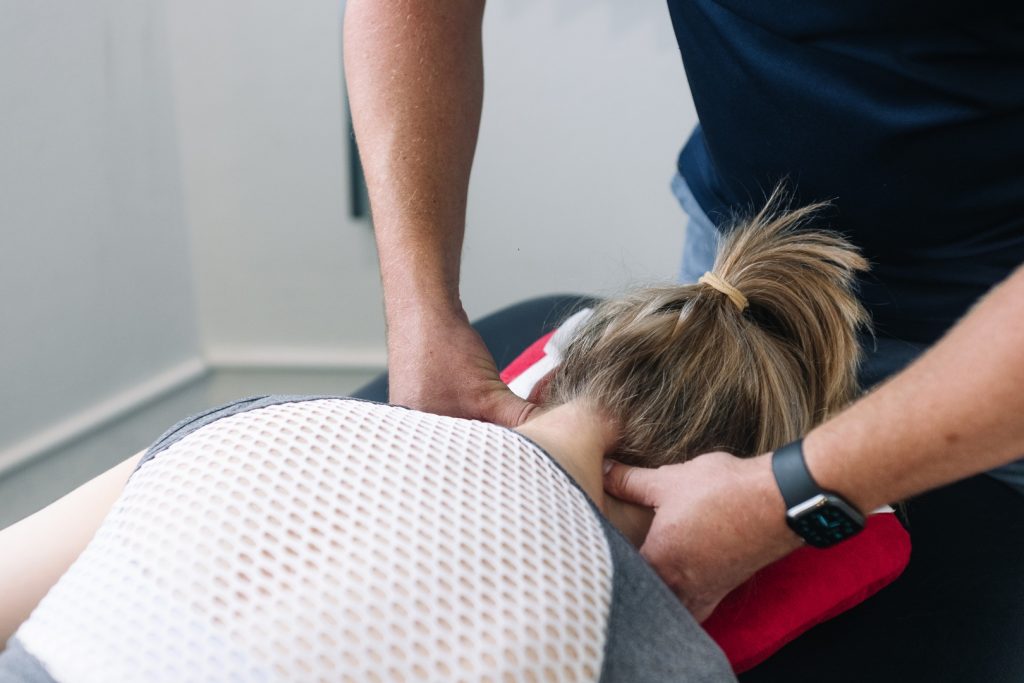
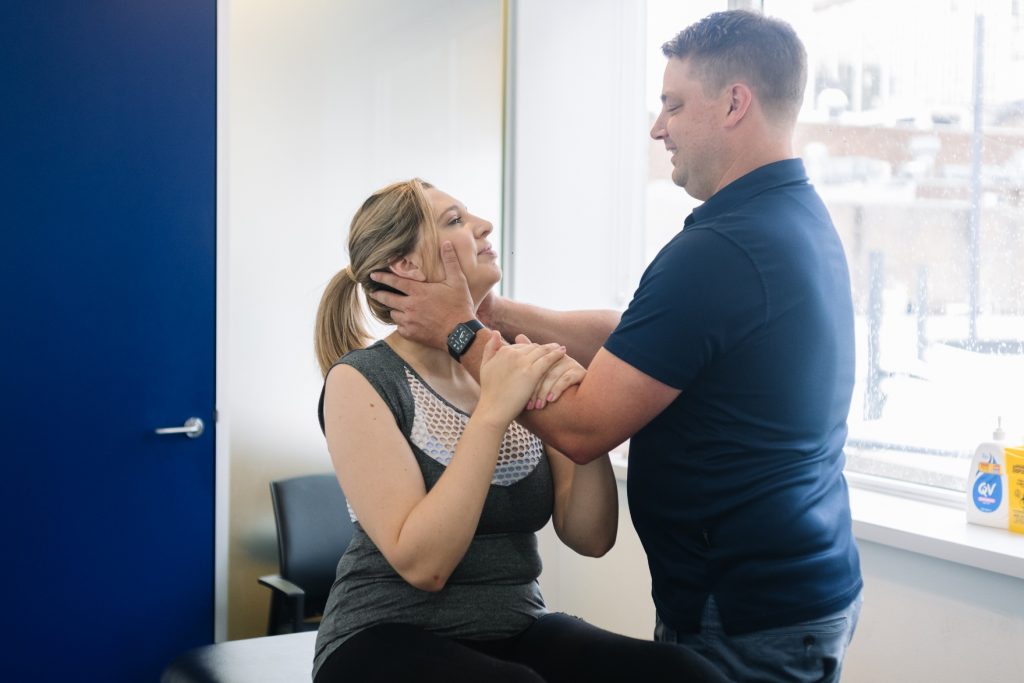
- Manual Therapy: you may also receive manual therapy to reduce pain and stiffness in the neck, head and associated areas. Commonly, these injuries can be a result of whiplash type movements, and manual therapy can help you regain mobility, ease stiffness, and reduce strain that can lead to headaches and further unwanted symptoms.
- Exercise Prescription: as part of your treatment your physio may also provide a series of neck strengthening exercises. Greater neck strength has been shown be associated with reduced risk of concussion. Vestibular rehabilitation exercises are commonly prescribed as well. This may help you lower your risk of suffering the injury in the future.
Access Rehabilitation & Recovery for Head Injuries in Bondi Junction Eastern Suburbs Sydney
The duration of concussion symptoms can vary depending on the individual. Most people will start to feel better within a few days or weeks. In some cases, however, symptoms may persist for months or even years. If you are experiencing ongoing problems after a concussion, it is important to seek medical attention.
Concussion shouldn’t put you out of the game for any longer than necessary when treated properly.
Without proper management, your symptoms can greatly impact daily life and activities. If you’ve recently suffered from a concussion or are suffering from concussion symptoms contact us to learn how we can help you.