
Sports Injury Physiotherapy Clinic Physio for Sport Injuries in Bondi Junction Eastern Suburbs Sydney
Sports Injury Physiotherapy ClinicPhysio for Sport Injuries in Bondi Junction Eastern Suburbs Sydney
Physio to Help Sports Injuries – Injury Prevention & Rehabilitation for Rugby Union, Rugby League, Soccer Players & More
In the realm of sports and physical activity, injuries are an unfortunate reality. Whether you’re a professional athlete or simply enjoy staying active, the last thing you want is to be sidelined by an injury. Fortunately, physiotherapists at JW Physical Health in Bondi Junction Eastern Suburbs can help.
Physios at JW Physical Health have a wealth of experience in helping manage and prevent acute, sub-acute and chronic sport injuries for players of a variety of sports. Ankles, shoulders, knees, hammies. You name it and there’s a good chance that your treating physiotherapist at JW Physical Health has treated it.
Our physio team have worked with several semi-professional Rugby Union, Rugby League, and Soccer clubs throughout Sydney, across Australia and abroad.
If you suffer from a sports-related injury, new or old, get in touch. We can help get you back on the field as quickly as possible, pain-free. We can help you avoid re-injury.
Get Sports Physio in Bondi Junction Eastern Suburbs Now
Take a Data-Driven Approach to Your Recovery with Our Strength By Numbers AXIT System
Take a data-driven approach to your recovery at JW Physical Health in Bondi Junction.
As part of your treatment for sports injury we’ll likely use our leading Strength By Numbers “AxIT” System. It’s able to precisely quantify your strengths and weaknesses across critical movements and body segments.
Better identify areas of concern so they can be addressed. Help ensure you’re progressing in the areas you should be.
Expect a faster more long-lasting recovery because of this targeted, focused, data-driven approach.
Sport Specific Physio: Graded Rehab Treatment Plans
When you’re rehabbing a sports injury with us, you can expect to receive a graded physical rehab and treatment plan as part of your treatment. This is your carefully structured roadmap to recovery following injury. Treatment plans involve prescribing you a series of targeted and progressive exercises. Focus is on a personalised step-by-step approach.
Graded rehab treatment plans help ensure your rehabilitation progresses at a safe effective pace. It also helps ensure you can most effectively return to your daily life and activity and perform at your peak (perhaps better than before).
Graded rehab treatment plans are more than just exercises on paper. They are your ticket to a safe and effective recovery after an injury. These personalised plans help ensure that you heal properly, regain functionality, and prevent future problems.
When your physiotherapist is assessing the extent of your injury and its underlying causes, they’ll also consider your individual circumstances and the type of activity you partake in. This will ensure they can craft a targeted plan that’s right for you.
One-size-fits-all approaches rarely work with injury rehabilitation. Graded rehab plans are designed with you and your specific injury in mind. Expect your plan to directly address your needs and best support you in the demands of your daily life, chosen sport and activity.
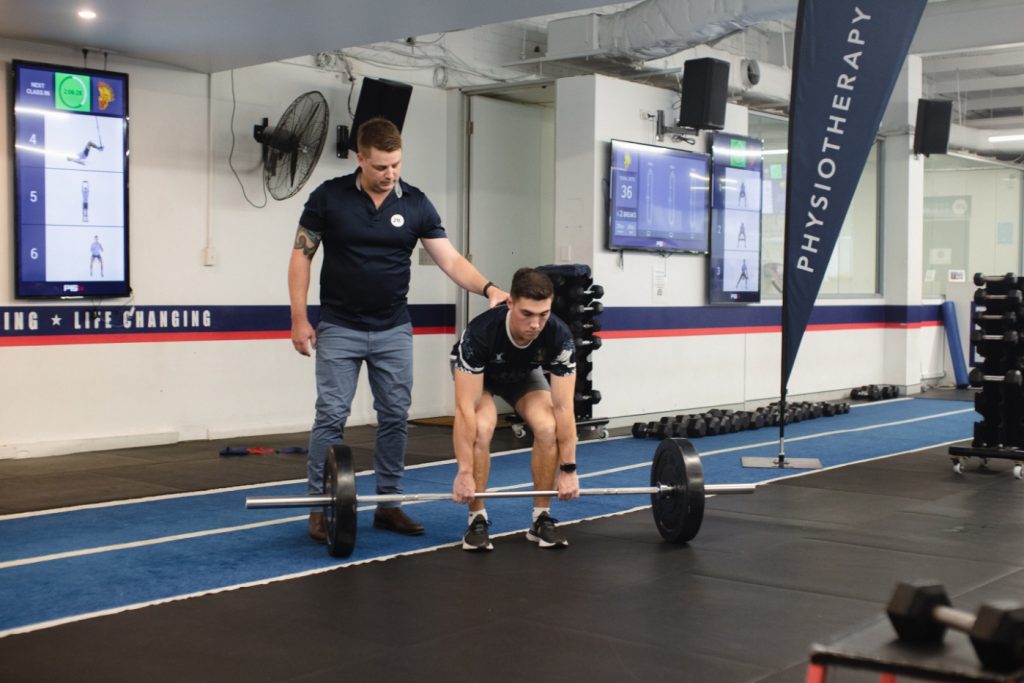
Physiotherapists Trained in Providing Targeted Therapy & Rehabilitation for Chronic Sport Related Injuries
Chronic sports injuries are those lingering conditions that persist beyond the initial injury phase. They often result from repetitive strain, overuse, or inadequate healing of acute injuries. These injuries can be a source of frustration for athletes. If left untreated they can affect both sport performance and quality of life. For some, they can be downright debilitating.
Don’t let chronic sports injuries hold you back any longer or get worse. With appropriate treatment at our Physio clinic in Bondi Junction long-term relief is available. Our physios can get you back to peak performance pain-free.
Chronic sports injuries will continue until rehabilitated by treatment intervention.
Prevent a Chronic Injury from Occurring. Act on Early Warning Signs
Chronic sport related injuries can arise for a variety of reasons. One of the most common reasons is not resolving a subtle yet ongoing injury or soreness. Perhaps you refer to these as a ‘niggle’. If left untreated you can risk these minor injuries developing into more significant injury with longer recovery. If you are suffering from any ongoing soreness that is bothering you, it can be best to see a physio to see if it’s something that can and should be resolved.
Whilst you risk making a minor injury worse via continuing activity without treatment, there is also a chance you will pick up addition injury in another part of the body if you play through discomfort regularly. When injured, the body naturally compensates for pain, loss of mobility, function, or strength. For example, if your left leg is sore you may put more weight and pressure on your right leg. This imbalance can cause excessive and undue strain on the body leading to secondary injury in a different part of the body.
Chronic sport-related injuries vastly outnumber sudden acute sport injuries in almost every athletic activity. However, chronic injuries are typically not instantly disabling. Because of this, they tend to slowly build up over time. Often, they have subtle initial symptoms. Similarly, they tend to attract less medical attention than those that cause a sudden and obvious loss of function or pain. Unfortunately, too often people ignore these underlying chronic sports injuries and play-on.
If you’re experiencing persistent discomfort that’s affecting your performance or daily life, contact us. Physios at JW Physical Health can get you performing at your peak without undue discomfort. Act on early warning signs to prevent further injury.
See a Sport Physiotherapist in Bondi Junction Eastern Suburbs
Seek Physio Before it’s too Late
It’s important to seek physio treatment before it’s too late. If you’re experiencing any pain or discomfort when exercising, come see us at our Bondi Junction Eastern Suburbs sports physio clinic. We can likely remedy the issue, and prevent it from escalating into something more serious.
Ensure the Best Outcomes With Early Physio Treatment
Physiotherapy for any mild condition at the earliest possible time will typically see the best outcomes. You don’t have to play-on in pain or risk long term loss of function. The long-term consequences of playing with unresolved injury are simply not worth it. Delays in diagnosis and physio treatment can lead to more serious or disabling injuries.
It’s Never Too Late For Physiotherapy
Seek physio treatment early before it becomes a larger and more disabling problem. Typically, if you spot an emerging chronic injury early it’s much easier and faster to fix with physiotherapy. If you have a long-standing health issue, including long neglected or repetitively inflamed injuries, it’s also never too late to seek physio to help get you back to better health. Our sports physiotherapists are trained in providing targeted physical therapy for a variety of chronic sport-related injuries and ongoing rehabilitation. Our aim is to keep you on the field for longer, pain-free, and in years to come.
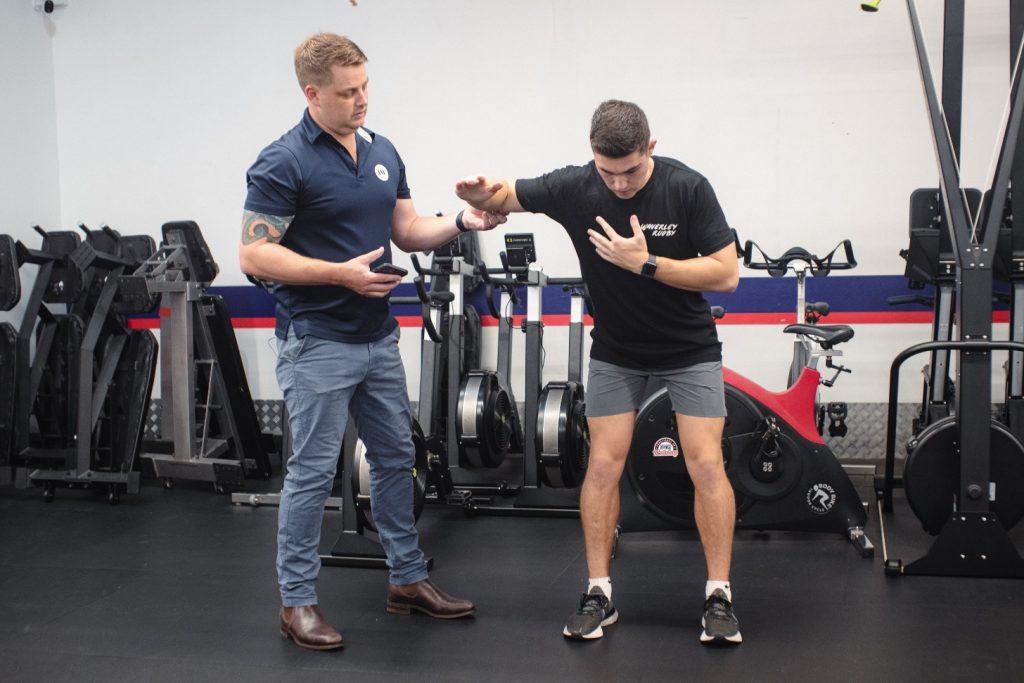
Physiotherapy to Prevent Re-Injury
Recovery from your sports injury involves taking steps to prevent further injury recurrence (re-injury). Our goal at JW Physical Health in Bondi Junction is to get you back to your normal activity as soon as possible with minimal to non-heightened risk of injury recurrence.
Further and ongoing damage can often occur if you fail to resolve your initial injury. Regaining strength and mobility are important. Taking necessary precautionary measures such as strapping when playing is also important. With these, you will be much less likely to face re-injury when active.
Access Sport Physiotherapists in Bondi Junction Eastern Suburbs today
How We Help You Prevent Re-Injury With Physiotherapy At Our Bondi Junction Eastern Suburbs Clinic
At JW Physical Health in Bondi Junction your treating physio will prescribe a series of progressive strengthening and mobility exercises. These will return function and strength to the affected area in time. Your treating physio will also inform you of strapping, bracing, immobilisation and other precautionary measures you should take to minimise chance of re-injury when playing your given sport or undertaking specific types of physical activity.
Prevention is better than a cure. If you’re noticing weaknesses or pain emerging in certain scenarios when exercising or performing physical activities, we advise that you seek a review with one of our physios. Let them know what you are experiencing and we should be able to help.
Physios at JW Physical Health in Bondi Junction Eastern Suburbs have a vast knowledge of different sport-related injuries. Injuries often involve muscle fatigue due to a lack of strength or endurance due to form or conditioning. Our physiotherapists can identify these areas of concern in your form or conditioning that you may want to improve to prevent injury occurring.
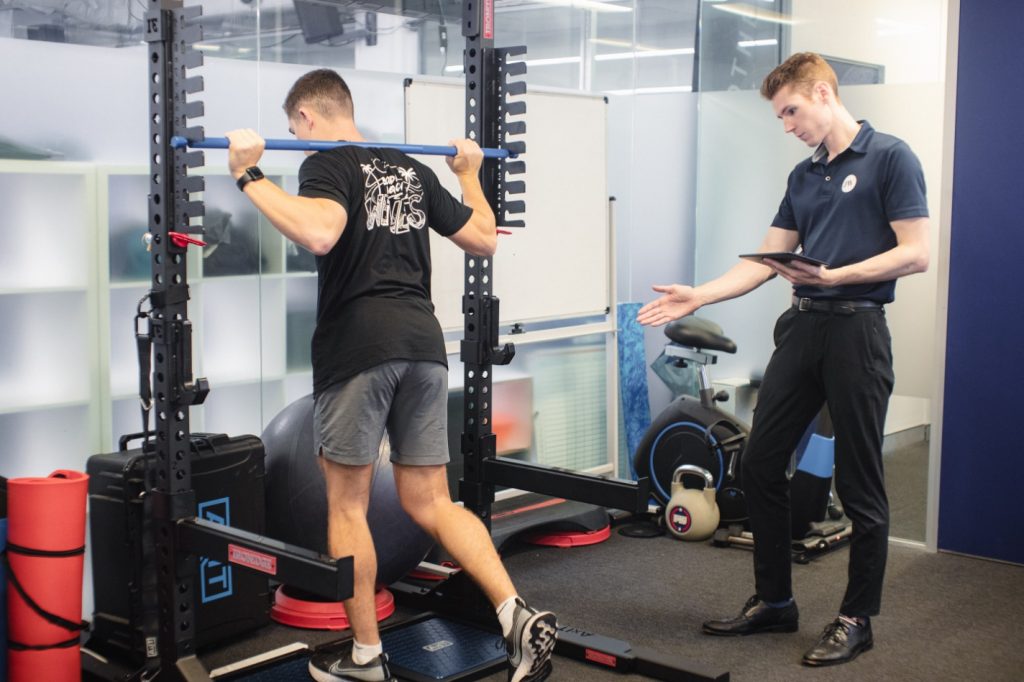
Post-Training Sports Recovery & Performance Improvements
For athletes seeking faster recovery after training and performance, enquire about sports recovery physiotherapy treatment options. Learn how you can train and compete more with less soreness and fatigue.
Manual therapy treatment incorporated into an athlete’s training and competition program can help lift their performance. Hands-on techniques such as physio massage, myofascial release, and joint mobilisation can alleviate muscle tension, improve circulation, and enhance tissue flexibility. Help reduce post-exercise soreness and aid in muscle recovery.
NormaTech Compression Boot sessions are also available at JW Physical Health in Bondi Junction Eastern Suburbs. Specifically designed for athletes, these boots help to increase blood circulation and body fluid flow around the body. This helps the body rid lactic acid and other metabolic waste products which in turn helps speed up recovery time, helps prevent injury, and lessen muscle soreness.
Enquire About Sports Recovery Options at JW Physical Health
Team Physiotherapist for Waverley Rugby Club, Managing a Range of Player Injuries & Injury Prevention Strategies
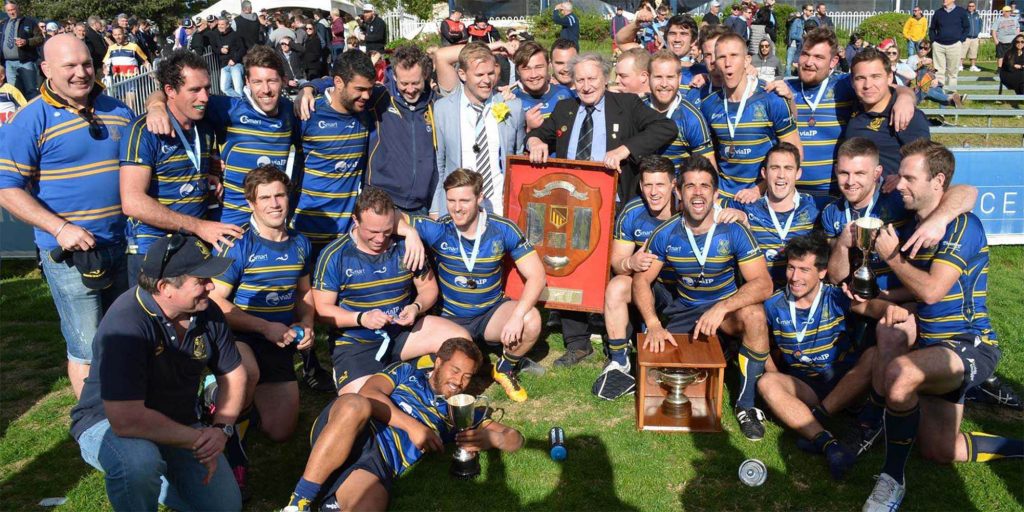
JW Health in Bondi Junction Eastern Suburbs is proud to be the official Team Physiotherapist for the Waverley Rugby Club.
Waverley Rugby Club is one of the proudest and most successful Rugby Clubs in Sydney. Well established, they’ve amassed an impressive 46 Suburban Premierships across the grades in the last 49 years. It’s even had a few ex-international players play throughout the years.
Waverley Rugby Club has 5 senior men’s teams (grade), a Colt’s team & a Women’s team. 7-full teams in total, with plenty of reserves in the ranks. The club has well over 150 playing members. We’re proud to help and assist players across all grades and levels. We come down to training and take the players through a variety of stretches and exercise they can do to improve their performance on the field and help prevent injury. We’re there on weekends making sure everyone’s strapped as needed. We assess and treat injuries as they happen. All players are welcome to come to our Eastern Suburbs Sydney Bondi Junction clinic for ongoing treatment and support.
Your Treating Physio Will Develop A Targeted Plan to Get You Back on The Field Playing Pain-free
At JW Physical Health in Bondi Junction, our physios want to have you back on the field playing pain-free as soon as possible. In consultation with you, your treating physiotherapist will develop a plan that can make this happen. We’re not here to prescribe a series of over-complicated or challenging exercises that are too hard to manage ongoing. Your treating physiotherapist will work with you to develop something that will work for you and your available time.
What To Expect From Your Physiotherapist at JW Physical Health
Whilst our physios will encourage you to push yourself within your limits in a controlled and safe environment, we will never ask you to do more than you physically can do. You influence your recovery outcome via your level of commitment to physio, availability to commit to rehab and implementation of our agreed plan.
Enquire About Sports Injury Physiotherapy at Our Bondi Junction Eastern Suburbs Sydney Clinic
Physiotherapists at JW Physical Health in Bondi Junction want to ensure that you have the most successful outcome and return to your chosen sport within the shortest time possible.
Enquire with us to discover more about sport injury physiotherapy services available at our Bondi Junction Eastern Suburbs Sydney clinic.