Headache & Migraine Management Physiotherapists Watson Headache® Approach Practitioner Bondi Junction, Eastern Suburbs Sydney
Headache & Migraine Management PhysiotherapistsWatson Headache® Approach Practitioner Bondi Junction, Eastern Suburbs Sydney
Headaches & Migraines Management – Medication Free
Headaches are often an unfortunately common part of many peoples lives, and many are nothing to worry about. But if you get particularly bad and ongoing headaches and/or migraines and they disrupt your normal daily activities, your work and your personal life it’s probably time to seek support.
Without proper management headaches and migraines can greatly impact a person’s daily life. People who suffer from chronic headaches and migraines can have difficulty completing daily tasks. Headaches can lead to problems with concentration, memory, and mood. Pain associated with headaches can further lead to sleep disturbances and fatigue, which can further exacerbate symptoms.
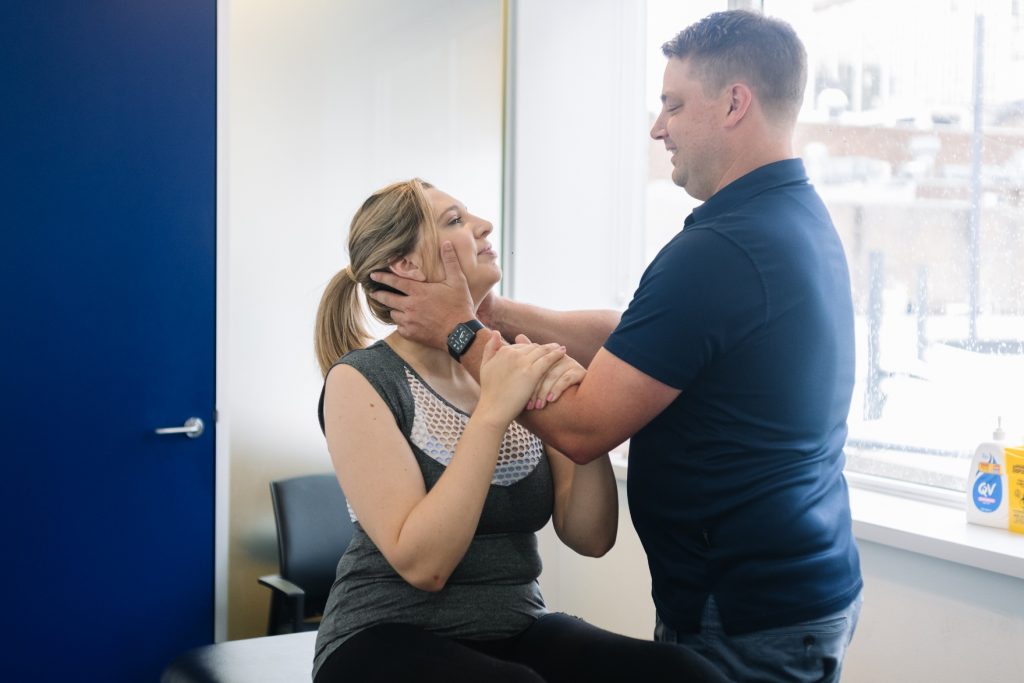
To diagnose the cause of a headache, your treating physio will conduct an initial assessment that includes a thorough examination of your head, neck, and upper back, posture, range of motion, and muscle tone.
This assessment is to determine if your neck is a contributing factor to your condition. Using the Watson Headache® Approach, reproduce your same headache pain in a controlled and shortened manner that will not have a lasting effect. You will experience that ‘good pain’ feeling of something that is painful but in a good way.
We usually like to see improvements within a few treatments and your initial sessions may be quite close to one another. If we cannot determine a problem in the upper neck and are unable to reproduce your same headache pain, we can determine very quickly if physio treatments will be successful.
The results of this initial assessment influence how we proceed in your unique treatment.
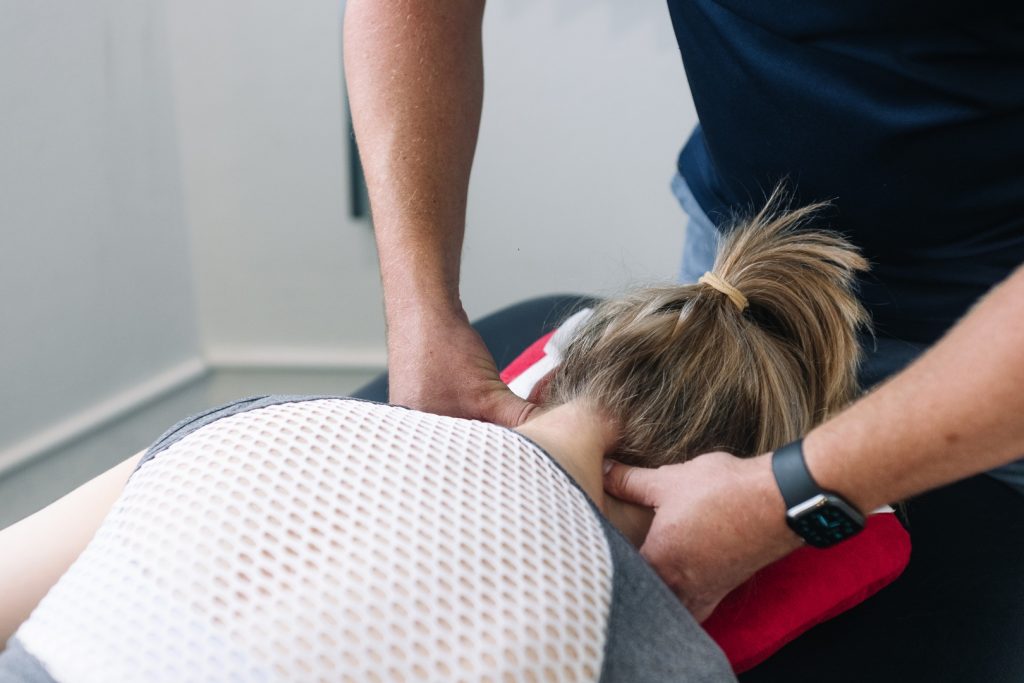
Our Physiotherapists can help Reduce the Severity and Recurrency of your Symptoms, Medication Free.
The Watson Headache® Approach
Jason Wright, our Principal Physiotherapist, is one of the few qualified practitioners of the Watson Headache® Approach in Sydney. Only a small number of physiotherapists have this accreditation in Australia. Even fewer certified practitioners offer the service in NSW. Jason obtained his certificates I and II respectively in 2012 and 2013 and has been successfully treating patients since.
The key feature of the Watson Headache® Approach is the temporary reproduction of, and resolution of, the usual pain a person experiences. If this can be achieved there is a high probability (80% chance) of significant improvement. Potentially it could completely resolve your symptoms.
There is much scientific research that shows the neck often plays a causal role in producing headaches and migraines. Although you may feel pain in your head, it doesn’t necessarily start there. Often, the pain you feel is referred pain from another location in your body, particularly the upper neck. We can determine if a problem in your upper neck is contributing to your condition quite quickly via a short physical assignment.
To diagnose the cause of a headache, your treating physio will use the Watson Headache Approach to conduct an initial assessment. This will include a thorough examination of your head, neck, and upper back, posture, range of motion, and muscle tone. If your neck is the cause or a contributing factor to your condition, using the Watson Headache® Approach, we will be able to reproduce your same headache pain in a controlled and shortened manner that will not have a lasting effect. This is a bit like putting light pressure on a joint or muscle to test its sensitivity. The results of this initial assessment influence how we proceed in your unique treatment.
Types of Headaches
Below is a list of some of the most common headaches our physiotherapists are able to help you manage and treat.
- Migraines: a condition with pain that can vary in intensity from moderate to the more severe. Typically, it’s characterized by being intense and debilitating. Sometimes they can pulsate, causing throbbing pain to be experienced in a particular area of the head. Some people suffering from this condition may also experience nausea, vomiting, or increased sensitivity to light or sound. Normally these types of headaches affect only one side of your head, however, they can affect both sides. Typically they get worse with any form of physical activity. On average they last from four to 72 hours without treatment.
- Tension-type Headaches: is the most widespread headache disorder, with about one-third of men and slightly more women suffering the condition. Pain is normally mild to moderate, dull yet persistent, however, can vary in intensity. Tension-type suffers typically experience reductions in social activities and work capacity. Typically tension-type headaches are felt on both sides of the head. It is a pressing or tightening sensation rather than a throbbing headache and is not made worse by physical activity nor accompanied by nausea or vomiting unlike a migraine.
- Cluster Headaches: are relatively rare (about 1 in 1000 people). They are considered extremely painful. Usually, they are experienced on one side of the head only and attack in cyclical patterns known as episodes, however, they can also be more chronic.
- Chronic Daily Headaches: sufferers typically experience pain all over the head to a dull level. The term refers to almost any type that occurs frequently, generally at least 15 days per month for a period of three to six months or more.
- Hormonal or Menstrual Migraine: women can get menstrual migraines anywhere from 2 days before their period to 3 days after it starts. However, anything that changes hormone levels can cause this particular condition including menopause, perimenopause and pregnancy. Symptoms are similar to those of a migraine.
- Sinus Headaches: typically sufferers report feeling a deep and constant pain in their cheekbones, forehead, or bridge of their nose. Pain typically increases with a sudden movement of the head or head or neck strain. Symptoms can be similar to a typical migraine.
- Cervicogenic: sufferers typically experience pain in their head although it develops in the neck. Often these headaches mimic the symptoms of migraine.
- Vestibular Migraine: typically sufferers experience feelings of dizziness, like they are spinning or the world is spinning around them. Most often this dizziness occurs after moving the neck. It can affect your sense of balance and concentration.
- Whiplash Associated Headaches: can be of varying levels of intensity and occur after or are associated with a neck injury due to forceful, rapid back-and-forth movement of the neck.
- SUNCT: acronym for ‘Short-lasting Unilateral Neuralgiform with Conjunctival-Injection & Tearing’. Sufferers typically experience bursts of moderate to severe burning, piercing, or throbbing pain, usually on one side of the head and around the eye or temple. Pain normally peaks within seconds of onset. Sometimes it follows a pattern of increasing and decreasing intensity over a period of 5 seconds to 4 minutes. Episodes usually occur during daylight hours only.
Whilst all these headache types and more are recognised as individual conditions, many have overlapping signs and symptoms, which suggests a common cause. This cause is often hypersensitivity in the brainstem nerves and can be identified and treated by an accredited Watson Headache ® Approach physiotherapist.ns, many have overlapping signs and symptoms, which suggests a common cause. This cause is hypersensitivity in the brainstem nerves and can be identified and treated by an accredited Watson Headache ® Approach physiotherapist.